Tag: NASS

  • Colorado Crop Progress and Condition Report, December 2020

    Colorado Crop Progress and Condition Report, December 2020

     AGRICULTURAL SUMMARY:  

    Moderately dry weather across the state during the month of December was interspersed with a few productive snowstorms, according to the Mountain Region Field Office of the National Agricultural Statistics Service, USDA. Overall, the entire state remained in moderate to exceptional drought, according to the latest U.S. Drought Monitor report.

    In eastern counties, some areas benefitted from good snowfall while others remained mostly dry. Temperatures were generally above normal. Reporters noted winter wheat and pasture conditions remained stressed from continued lack of consistent precipitation, but the snowfall was welcome. More precipitation is needed to improve pasture and crop conditions prior to spring.  

    Feed supplies were short as producers continued feeding livestock. In the San Luis Valley, soil moisture supplies remained short and little precipitation was received. Pasture and rangeland in the area remained very short and livestock producers were actively seeking any alternate winter grazing arrangements. 

    As of January 1, 2021, snowpack in Colorado was 83 percent measured as percent of median snowfall.


  • LIVESTOCK SLAUGHTER – NOVEMBER 2020 – UNITED STATES HIGHLIGHTS

    LIVESTOCK SLAUGHTER – NOVEMBER 2020 – UNITED STATES HIGHLIGHTS


    Commercial red meat production for the United States totaled 4.68 billion pounds in November, down 1 percent from the 4.74 billion pounds produced in November 2019. 

    Beef production, at 2.26 billion pounds, was 1 percent below the previous year. Cattle slaughter totaled 2.70 million head, down 3 percent from November 2019. The average live weight was up 13 pounds from the previous year, at 1,388 pounds. 

    Veal production totaled 4.8 million pounds, 20 percent below November a year ago. Calf slaughter totaled 35,000 head, down 25 percent from November 2019. The average live weight was up 14 pounds from last year, at 241 pounds. 

    Pork production totaled 2.41 billion pounds, down 1 percent from the previous year. Hog slaughter totaled 11.0 million head, down 3 percent from November 2019. The average live weight was up 6 pounds from the previous year, at 294 pounds. 

    Lamb and mutton production, at 10.6 million pounds, was down 6 percent from November 2019. Sheep slaughter totaled 180,400 head, slightly below last year. The average live weight was 118 pounds, down 7 pounds from November a year ago. 

    January to November 2020 commercial red meat production was 50.8 billion pounds, up 1 percent from 2019. Accumulated beef production was down slightly from last year, veal was down 14 percent, pork was up 2 percent from last year, and lamb and mutton production was down 8 percent. 

    For a full copy of the Livestock Slaughter report please visit www.nass.usda.gov.


  • Cattle on Feed Report for Colorado and U.S.

    Cattle on Feed Report for Colorado and U.S.

    Agriculture Livestock Grazing

    COLORADO

    The number of cattle and calves on feed for the slaughter market in Colorado feedlots with a capacity of 1,000 head or larger was estimated at 1,130,000 head as of December 1, 2020. The latest inventory was 1 percent above last month’s inventory and 3 percent above the December 1, 2019 inventory. Cattle feeders with 1,000 head or larger capacity marketed an estimated 150,000 head of fed cattle during November 2020. This was 6 percent below last month’s marketings, but unchanged from the marketings one year earlier. An estimated 165,000 head of cattle and calves were placed on feed during November 2020, 6 percent below the previous month’s placements and 11 percent below the November 2019 placements. Of the number placed in November, 30 percent weighed less than 600 pounds, 21 percent weighed from 600 to 699 pounds, 18 percent weighed from 700 to 799 pounds, 18 percent weighed from 800 to 899 pounds, and 12 percent weighed 900 pounds and greater. Other disappearance for November, at 5,000 head, was the same as last month and last year.

    UNITED STATES

    Cattle and calves on feed for the slaughter market in the United States for feedlots with capacity of 1,000 or more head totaled 12.0 million head on December 1, 2020. The inventory was slightly above December 1, 2019. Placements in feedlots during November totaled 1.91 million head, 9 percent below 2019. Net placements were 1.85 million head. During November, placements of cattle and calves weighing less than 600 pounds were 520,000 head, 600-699 pounds were 460,000 head, 700-799 pounds were 400,000 head, 800-899 pounds were 306,000 head, 900-999 pounds were 130,000 head, and 1,000 pounds and greater were 90,000 head. Marketings of fed cattle during November totaled 1.78 million head, 2 percent below 2019. Other disappearance totaled 61,000 head during November, 6 percent below 2019.

    For a full copy of the December 2020 Cattle on Feed report please visit www.nass.usda.gov

  • Colorado Crop Progress and Condition Report, Week Ending November 29, 2020

    Colorado Crop Progress and Condition Report, Week Ending November 29, 2020


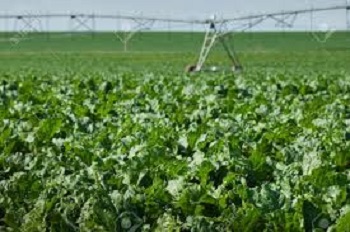
    Photo taken in Colorado, United States


    AGRICULTURAL SUMMARY:

    A mid-week storm brought needed moisture to a few areas and improved soil moisture conditions, according to the Mountain Region Field Office of the National Agricultural Statistics Service, USDA. 

    Eastern counties received good moisture in areas while others remained extremely dry. Precipitation provided short-term relief to dry conditions, but much more moisture is needed to sustain the winter wheat crop and improve pasture condition. Livestock producers continued to cull herds in response to drought and utilize winter grazing arrangements where available.

    Western counties received light moisture in areas, but exceptional drought conditions remained. Cold temperatures and snow were observed in the San Luis Valley last week, but overall conditions were dry.  

    According to the latest U.S. Drought Monitor report, 74.6 percent of the state was experiencing extreme to exceptional drought (D3 to D4), up 0.6 percentage point from the prior week.  

    Statewide, stored feed supplies were rated 5 percent very short, 33 percent short, 53 percent adequate, and 9 percent surplus. Sheep death loss was 81 percent average and 19 percent light. Cattle death loss was 92 percent average and 8 percent light.


    Note: This report concludes the weekly crop progress report for 2020. Next year’s Colorado weekly report will begin in March 2021.


  • Colorado Crop Progress Report, Week Ending November 22nd

    Colorado Crop Progress Report, Week Ending November 22nd

    AGRICULTURAL SUMMARY:

    Conditions remained warm and dry last week as fall fieldwork wrapped up, according to the Mountain Region Field Office of the National Agricultural Statistics Service, USDA.

    Eastern counties received virtually no moisture.  Baling of corn stalks continued in areas. Winter wheat emergence and condition continued to struggle due to dry and windy weather.  County reports noted wheat stands were uneven.

    Livestock producers continued herd reductions and were providing supplemental feed.  A county report noted more producers were seeking alternate grazing arrangements due to a shortage of native grass.

    Western counties received little moisture, although a little snowfall was noted at higher elevations. In the San Luis Valley, pasture condition continued to decline and conditions were very dry. More livestock were receiving supplemental feed in the area.

    According to the latest U.S. Drought Monitor report, 74 percent of the state was experiencing extreme to exceptional drought (D3 to D4). Statewide, stored feed supplies were rated 6 percent very short, 32 percent short, 54 percent adequate, and 8 percent surplus.

    Sheep death loss was 82 percent average and 18 percent light. Cattle death loss was 94 percent average and 6 percent light.

  • Colorado Crop Progress and Condition Report, Week Ending Nov. 15, 2020

    Colorado Crop Progress and Condition Report, Week Ending Nov. 15, 2020


    AGRICULTURAL SUMMARY:

    Fall harvest was virtually complete by week’s end, according to the Mountain Region Field Office of the National Agricultural Statistics Service, USDA. Harvest of corn for grain, sorghum, and sunflowers were ahead of last year and the average.

    In northeastern counties, producers wrapped up harvest and fall fieldwork was nearly finished. A county report noted winter wheat emergence continued to struggle in areas due to dry conditions and high winds. High winds last week notably caused soil to blow. Pasture condition continued to deteriorate due to drought. Livestock producers were considering further herd reductions.

    East central counties also experienced high winds and blowing soil last week, detrimental to winter wheat and pastures without good cover. Harvest was essentially complete. A county report noted some corn in the district was abandoned due to drought and wheat emergence remained inconsistent.

    In southwestern counties, corn harvest continued to advance. Most snow was limited to the high country. Conditions in the San Luis Valley remained very dry. A county report noted livestock producers were providing supplemental feed due to a lack of native grass in pastures.

    Southeastern counties received very light moisture last week, but conditions remained extremely dry.

    Statewide, stored feed supplies were rated 12 percent very short, 28 percent short, 55 percent adequate, and 5 percent surplus. Sheep death loss was 81 percent average and 19 percent light. Cattle death loss was 86 percent average and 14 percent light.

  • Crop Production, Nov. 2020 for Colorado and U.S.

    Crop Production, Nov. 2020 for Colorado and U.S.

    COLORADO HIGHLIGHTS

    Based on November 1 conditions, corn production in Colorado is forecast at 141.52 million bushels, down 11 percent from last year’s 159.90 million bushels, according to the November 1 Agricultural Yield Survey conducted by the Mountain Regional Field Office of the National Agricultural Statistics Service, USDA.

    The 1.16 million acres expected to be harvested for grain this year are unchanged from the October forecast but 140,000 acres below the 1.30 million acres harvested a year ago. Corn yield is estimated at 122.0 bushels per acre, down 3.0 bushels per acre from the October 1 forecast and 1.0 bushel per acre below last year’s final yield. As of November 1, Colorado’s corn harvested for grain was 84 percent complete, compared with 63 percent last year and the 5-year average of 56 percent.

    Sorghum production in 2020 is forecast at 10.50 million bushels, down 17 percent from the 12.71 million bushels harvested last year. Growers expect to harvest 300,000 acres this year, unchanged from the October forecast but down 10,000 acres from the acres harvested last year. Average yield is forecast at 35.0 bushels per acre, down 5.0 bushels per acre from the October 1 forecast and down 6.0 bushels per acre from last year. As of November 1, Colorado’s sorghum harvested for grain was estimated at 78 percent complete, compared with 78 percent last year and the 5-year average of 60 percent.

    Sugarbeet production in Colorado is forecast at 782,000 tons, up 4 percent from the 749,000 tons produced in 2019. Growers expect to harvest 24,000 acres this year, compared with 24,400 acres a year ago. Yields are expected to average 32.6 tons per acre, down 0.3 ton per acre from the October 1 forecast but up from last year’s yield of 30.7 tons per acre. Harvest of sugarbeets was estimated at 95 percent complete, compared with 86 percent last year and the 5-year average of 71 percent as of November 1.

    Potato growers in Colorado produced an estimated 22.87 million hundredweight of potatoes this year, up 16 percent from last year’s crop. Average yield, at 425 hundredweight per acre, increased 39 hundredweight per acre from the yield attained last year. If realized, this would be a record yield for the state, 24 hundredweight per acre above the previous record yield of 401 hundredweight per acre in 2009. The harvested area, estimated at 53,800 acres is up from the 51,000 acres harvested last year.

    UNITED STATES HIGHLIGHTS

    Corn production for grain is forecast at 14.5 billion bushels, down 1 percent from the previous forecast but up 7 percent from 2019. Based on conditions as of November 1, yields are expected to average 175.8 bushels per harvested acre, down 2.6 bushels from the previous forecast but up 8.3 bushels from last year. Area harvested for grain is forecast at 82.5 million acres, unchanged from the previous forecast, but up 1 percent from the previous year.

    Sorghum production is forecast at 371 million bushels, up slightly from the previous forecast and up 9 percent from last year. Area harvested for grain is forecast at 5.00 million acres, unchanged from the previous forecast but up 7 percent from 2019. Based on November 1 conditions, yield is forecast at 74.2 bushels per acre, 0.1 bushel higher than the previous forecast and 1.2 bushels per acre above the 2019 yield of 73.0 bushels per acre.

    Production of sugarbeets for the 2020 crop year is forecast at 34.0 million tons, down 5 percent from last month but up 19 percent from last year. Sugarbeet producers expect to harvest 1.15 million acres, unchanged from the previous forecast but up 17 percent from 2019. Yield is forecast at 29.6 tons per acre, down 1.6 tons from the previous forecast but an increase of 0.4 ton from last year.

    Production of potatoes for the 2020 crop year is forecast at 415 million cwt, down 2 percent from last year. Planted acreage, at 923,000 acres, is up slightly from the June estimate. Area harvested, at 915,700 acres, is down 2 percent from the previous year. The yield forecast, at 454 cwt per acre, is up 1 cwt from last year’s yield.

  • Colorado Crop Progress & Condition Report, Week Ending November 8, 2020

    Colorado Crop Progress & Condition Report, Week Ending November 8, 2020

    AGRICULTURAL SUMMARY:

    Mostly dry weather allowed harvest to near completion for several crops last week, according to the Mountain Region Field Office of the National Agricultural Statistics Service, USDA. Western counties received rain and snow in areas over the weekend. Eastern counties received little or no moisture.

    In northeastern counties, conditions were ideal for harvest and fieldwork. Sugarbeet harvest was virtually complete and corn harvest concluded in some localities.

    Livestock producers continued to provide supplemental feed and utilize corn stalks where available. A county report noted producers were baling some corn stalks postharvest and feed supplies remained tight.

    In east central counties, conditions remained extremely dry and harvest progress continued. County reports note moisture is needed to aid winter wheat emergence.

    Southwestern counties continued to experience exceptional drought conditions, although received moisture was welcome. Corn harvest continued to advance throughout the district. In the San Luis Valley, county reports noted pasture and rangeland was very dry and grass was short. Hay supplies were notably good with many loads shipping out of the Valley.

    In Southeastern counties, dry weather aided harvest progress. County reports noted some producers were chiseling winter wheat and moisture was greatly needed to sustain the crop.

    Statewide, stored feed supplies were rated 18 percent very short, 23 percent short, 54 percent adequate, and 5 percent surplus. Sheep death loss was 84 percent average and 16 percent light. Cattle death loss was 84 percent average and 16 percent light.

  • Colorado Crop Progress and Condition Report, Week Ending Nov. 1, 2020

    Colorado Crop Progress and Condition Report, Week Ending Nov. 1, 2020

    Photo taken in Colorado, United States

    AGRICULTURAL SUMMARY:

    Moisture early in the week halted harvest in areas, according to the Mountain Region Field Office of the National Agricultural Statistics Service, USDA. Conditions were drier the rest of the week which allowed good harvest progress to be made.

    In northeastern and east central counties, harvest of sugarbeets neared completion and sunflower harvest continued. Corn harvest proceeded with average irrigated yields and below average non-irrigated yields noted in county reports. Winter wheat emergence remained uneven in areas due to high winds, blowing soil, and persistent dry conditions.

    Livestock producers remained concerned regarding poor pasture condition and were providing supplemental feed. County reports noted heavy culling of open cows and heifers was being done in response to limited grazing and heavy pressure on feed supplies.

    In the San Luis Valley, livestock were notably in good condition and county reports mentioned recent moisture would help pasture and range condition in the spring.

    In southeastern counties, freezing rain and snow delayed harvest progress, notably for sorghum. A county report noted some producers were finishing sorghum harvest and others had not yet started.

    Statewide, stored feed supplies were rated 13 percent very short, 24 percent short, 59 percent adequate, and 4 percent surplus. Sheep death loss was 93 percent average and 7 percent light. Cattle death loss was 97 percent average and 3 percent light.

  • Colorado Crop Progress and Condition, Week Ending Oct 25th

    Colorado Crop Progress and Condition, Week Ending Oct 25th

    AGRICULTURAL SUMMARY:

    A storm system brought snow and cold temperatures to several areas of the state on Sunday, according to the Mountain Region Field Office of the National Agricultural Statistics Service, USDA. Harvest made good progress prior to the storm and several crops neared harvest completion or were ahead of the average. Received precipitation improved soil moisture supplies but more is needed to recuperate from continued drought conditions.

    In northeastern and east central counties, harvest continued until the weekend snowstorm. Reports noted harvest was quick in areas with poorer stands or crop failure. Received moisture varied by locality.

    According to county reports, winter wheat emergence remained uneven in areas due to high winds and persistent dry conditions. Crop producers expressed concern regarding extreme drought conditions and were actively considering adjustment of planting intentions for fall crops and next spring’s crops. In most areas, rangeland condition and feed availability for livestock producers remained primary concerns.

    In the San Luis Valley, several inches of snow were received over the weekend and all growing season activities were complete. County reports noted more moisture is needed but rangeland and livestock were in mostly good condition.

    Harvest in southeastern counties continued to advance quickly around precipitation events. Conditions during the week were dry and windy. A county report noted extreme temperature swings caused illness issues for cattle.

    Statewide, stored feed supplies were rated 13 percent very short, 27 percent short, 56 percent adequate, and 4 percent surplus. Sheep death loss was 87 percent average and 13 percent light. Cattle death loss was 96 percent average and 4 percent light.

  • U.S. Livestock Slaughter-September 2020

    U.S. Livestock Slaughter-September 2020


    Agriculture Livestock Grazing


    UNITED STATES HIGHLIGHTS:

    Commercial red meat production for the United States totaled 4.71 billion pounds in September, up 6 percent from the 4.44 billion pounds produced in September 2019.

    Beef production, at 2.35 billion pounds, was 8 percent above the previous year. Cattle slaughter totaled 2.81 million head, up 5 percent from September 2019. The average live weight was up 27 pounds from the previous year, at 1,379 pounds.

    Veal production totaled 4.9 million pounds, 20 percent below September a year ago. Calf slaughter totaled 32,400 head, down 34 percent from September 2019. The average live weight was up 45 pounds from last year, at 261 pounds.

    Pork production totaled 2.34 billion pounds, up 4 percent from the previous year. Hog slaughter totaled 11.0 million head, up 4 percent from September 2019. The average live weight was up 3 pounds from the previous year, at 285 pounds.

    Lamb and mutton production, at 10.9 million pounds, was down slightly from September 2019. Sheep slaughter totaled 185,200 head, 3 percent above last year. The average live weight was 117 pounds, down 5 pounds from September a year ago.

    January to September 2020 commercial red meat production was 41.0 billion pounds, up 1 percent from 2019. Accumulated beef production was down slightly from last year, veal was down 12 percent, pork was up 3 percent from last year, and lamb and mutton production was down 7 percent.

    For a full copy of the Livestock Slaughter report please visit www.nass.usda.gov.

  • Colorado Crop Progress and Condition Report, Week Ending October 18, 2020

    Colorado Crop Progress and Condition Report, Week Ending October 18, 2020


    Photo taken in Colorado, United States


    AGRICULTURAL SUMMARY:

    Harvest continued ahead of average for most crops last week, according to the Mountain Region Field Office of the National Agricultural Statistics Service, USDA.

    Conditions remained very dry. According to the latest U.S. Drought Monitor report, the entire state was experiencing moderate to exceptional drought conditions. Over 59 percent of the state was rated in extreme to exceptional drought. Extreme wildfire activity due to warm temperatures and wind continued in northwestern counties, although small amounts of precipitation were received.

    In northeastern counties, corn for grain harvest was fully underway. Sugarbeet harvest continued and the fourth cutting of alfalfa neared completion. Winter wheat seeding also continued but emergence in areas was mixed due to very dry conditions.

    Livestock producers continued to provide supplemental feed in response to drought and feed supplies were limited. In east central counties, a prior high wind event caused newly seeded wheat fields to blow severely. A county report noted producers expect to chisel fields in response. No moisture was received last week.

    Sorghum harvest was also underway. Harvest of other non-irrigated spring crops such as sunflowers and corn was limited in areas due to damage from extreme drought. In southwestern counties, dry bean harvest was virtually complete and the forth cutting of alfalfa continued.

    Exceptional drought conditions remained with little relief. Southeastern counties experienced freezing temperatures and windy weather last week.

    A county report noted calves were being marketed earlier than normal due to lack of available native grass. Statewide, stored feed supplies were rated 11 percent very short, 27 percent short, 57 percent adequate, and 5 percent surplus. Sheep death loss was 66 percent average and 34 percent light. Cattle death loss was 81 percent average and 19 percent light.

  • Colorado Crop Progress & Condition, Week Ending 10-11-20

    Colorado Crop Progress & Condition, Week Ending 10-11-20


    AGRICULTURAL SUMMARY:

    Another dry week with above normal temperatures advanced harvest progress last week, according to the Mountain Region Field Office of the National Agricultural Statistics Service, USDA. Harvest of most spring crops was ahead of average.

    In northeastern counties, corn for grain harvest progressed although moisture content was still high in several locales. Corn silage harvest was virtually complete and sugarbeet harvest continued. A county report noted sugarbeet yields were around average or slightly below. Seeding of winter wheat approached completion.

    Livestock producers continued to heavily cull herds in response to drought and provide supplemental feed. Feed supplies were notably shortening due to early feeding.

    Drought continued to worsen in east central counties and no moisture was received last week. The latest U.S. Drought Monitor report showed extreme drought (D3) expanded throughout the district.

    A county report noted winter wheat emergence was better than anticipated with continued dry conditions.

    In southwestern counties, exceptional drought (D4) conditions expanded and the entire district was experiencing at least extreme drought. Some light rain and snow was received over the weekend but was limited to the high country.

    In the San Luis Valley, potato harvest continued to move quickly and most growers were finished by week’s end. A county report mentioned some potato fields had a high percentage of large potatoes.

    Southeastern counties experienced another hot and dry week with no moisture.

    Harvest continued and less wind was noted last week. Statewide, stored feed supplies were rated 15 percent very short, 23 percent short, 57 percent adequate, and 5 percent surplus.

    Sheep death loss was 63 percent average and 37 percent light. Cattle death loss was 86 percent average and 14 percent light.

  • Colorado Crop Progress & Condition-Week Ending October 4, 2020

    Colorado Crop Progress & Condition-Week Ending October 4, 2020


    AGRICULTURAL SUMMARY:

    Dry conditions across the state last week allowed corn for grain harvest to progress quickly, according to the Mountain Region Field Office of the National Agricultural Statistics Service, USDA. Virtually no precipitation was received last week.

    In northeastern counties, corn silage harvest neared completion and producers continued to seed winter wheat. Sugarbeet harvest slowed due to warm temperatures, but remained ahead of average.

    In east central counties, harvest of corn, sorghum, and millet progressed rapidly. Livestock producers continued to provide supplemental feed due to drought. A county report noted fields normally cut for grass hay were too short and dry to make hay this year.

    In southwestern counties, dry bean harvest advanced quickly last week. Fourth cutting of alfalfa continued. According to the latest U.S. Drought Monitor report, exceptional (D4) drought conditions were introduced in southwestern counties.

    In the San Luis Valley, third cutting of alfalfa neared completion and potato harvest continued to proceed ahead of average. In southeastern counties, harvest also made good progress last week. Conditions remained very dry.

    Statewide, stored feed supplies were rated 5 percent very short, 26 percent short, 65 percent adequate, and 4 percent surplus. Sheep death loss was 74 percent average and 26 percent light. Cattle death loss was 92 percent average and 8 percent light.

  • Colorado Crop Progress and Condition Report, Week ending September 27, 2020

    Colorado Crop Progress and Condition Report, Week ending September 27, 2020


    AGRICULTURAL SUMMARY: Overall, conditions were once again warm and dry in the state during the past week, according to the Mountain Region Field Office of the National Agricultural Statistics Service, USDA. Minor amounts of precipitation were received in some areas, but on average, there were seven days suitable for fieldwork for the week ending September 27, 2020.  

    In northeastern counties, corn silage harvest continued at a rapid pace. Sugarbeet harvest made a significant increase while proso millet and sorghum harvest showed little increase from last week. Farmers actively planted wheat but remained concerned over the dry conditions. 

    Supplemental feeding of livestock continued with the worsening of range conditions. Harvest continued in east central counties, although fewer acres were being harvested because of the drought. Ranchers faced the dilemma of poor winter forage as dry conditions continued. 

    There was no improvement in drought conditions in the southwestern portion of the state. In the San Luis Valley, alfalfa harvest continued while the potato harvest progressed ahead of the average with the cooperative weather. 

    Corn harvest began in southeastern counties as corn was drying down quickly with the above average temperatures and wind.  

    Statewide, stored feed supplies were rated 8 percent very short, 36 percent short, 53 percent adequate, and 3 percent surplus.  

    Sheep death loss was 74 percent average and 26 percent light. Cattle death loss was 89 percent average and 11 percent light