Tarantula biologist finds research haven in southeastern Colorado
Barbara Crimond | Oct 11, 2026 | Comments 0
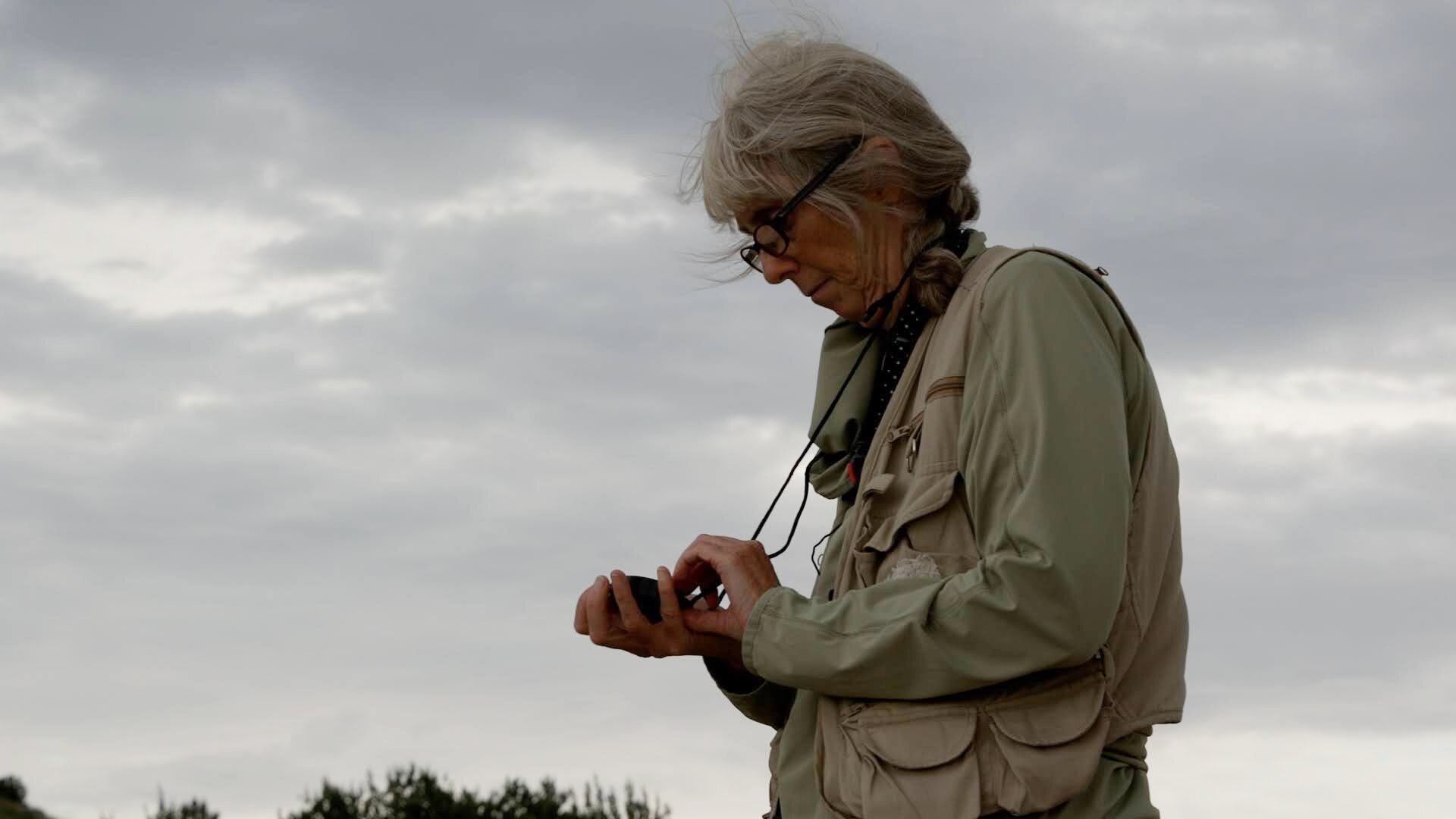
Cara Shillington, tarantula biologist, starts a timer for a 30-minute observation on the Southern Plains Land Trust. Photo by Chelsea Casabona/Rocky Mountain PBS
Article by Chelsea Casabona – Rocky Mountain PBS
Tarantula biologist finds research haven in southeastern Colorado
LAMAR, Colo. — It’s mating season for tarantulas in southeastern Colorado, a time when thousands of male tarantulas crawl around searching for female partners.
Cara Shillington, a biology professor at Eastern Michigan University, has been researching tarantulas for more than 25 years in places like Texas, Oklahoma and Mexico.
“Mexico does have some very pretty tarantula species,” Shillington said.
But none of her previous field research provided close to the sheer amount of tarantulas that she’s seeing in her fieldwork in southeastern Colorado, specifically the Camanche National Grasslands near La Junta and the Southern Plains Land Trust in Lamar.
“For reasons that I don’t fully understand, tarantulas are just very common here.” Shillington said. “For all my years working with tarantulas, this is the place where I have found the most.”
It’s a common theme when Shillington and her students talk about tarantulas: there are a lot of unknowns because there are not many arachnologists — scientists who study tarantulas — they said.
Video: Chelsea Casabona, Rocky Mountain PBS
Natalie Spratt, 29, is an undergraduate student at EMU and one of seven students who the university sent to southeastern Colorado to collect data on the tarantulas.
“One of the things that unites us in the lab is obviously our love for tarantulas,” Spratt said. “But [also] our sort of general love for being able to represent something that’s really deeply misunderstood.”
On September 22, Shillington hops into a borrowed 1999 Nissan Pathfinder at about 3:30 in the afternoon. Sue and Steve Keefer, residents of Las Animas who also sit on La Junta’s Tarantula Festivals planning board, loaned it to her. Her little buggy she drove from Michigan isn’t fit for fieldwork on 89 acres the Southern Plains Land Trust established in 2003.
“It’s really been wonderful coming here, and sharing what we are finding out, but also feeling like we’re part of the community for a short period of time when we are staying here,” Shillington said.
Many roads on the preserve are roads in name only, especially after a heavy rain shower, which took place multiple times during the 7 weeks Shillington spent living out of an Airbnb in Lamar to conduct her field research between August and October. Numerous points along the dirt path fill with water and make it difficult for even sturdy four-wheel-drive cars.
There are approximately 150 bison on SPLT in Lamar, according to Henry Pollock, the executive director of SPLT, which pose a danger to Shillington while she is out in the field, she said. Gathering data on tarantulas requires astute observation that keeps her eyes narrowed on one tarantula and not her surroundings; she fears keeping her head down too long while bison are nearby, she added.
When Shillington arrived at the field site, she pulled over at the first tarantula she encountered. Shillington began a 30-minute observation period, just to get a better sense of their movement, she said.
As storm clouds roll in and lightning strikes down, Shillington begins to pack up her car. The weather is another element that makes field work difficult. If it gets too stormy, Shillington is unable to walk around the field with a metal rod that helps her find tarantulas she has put tiny trackers on.
It’s a short research evening on this particular day, but any amount of knowledge to help Shillington understand tarantulas better helps her achieve her goal.
# # #
About the Author:


